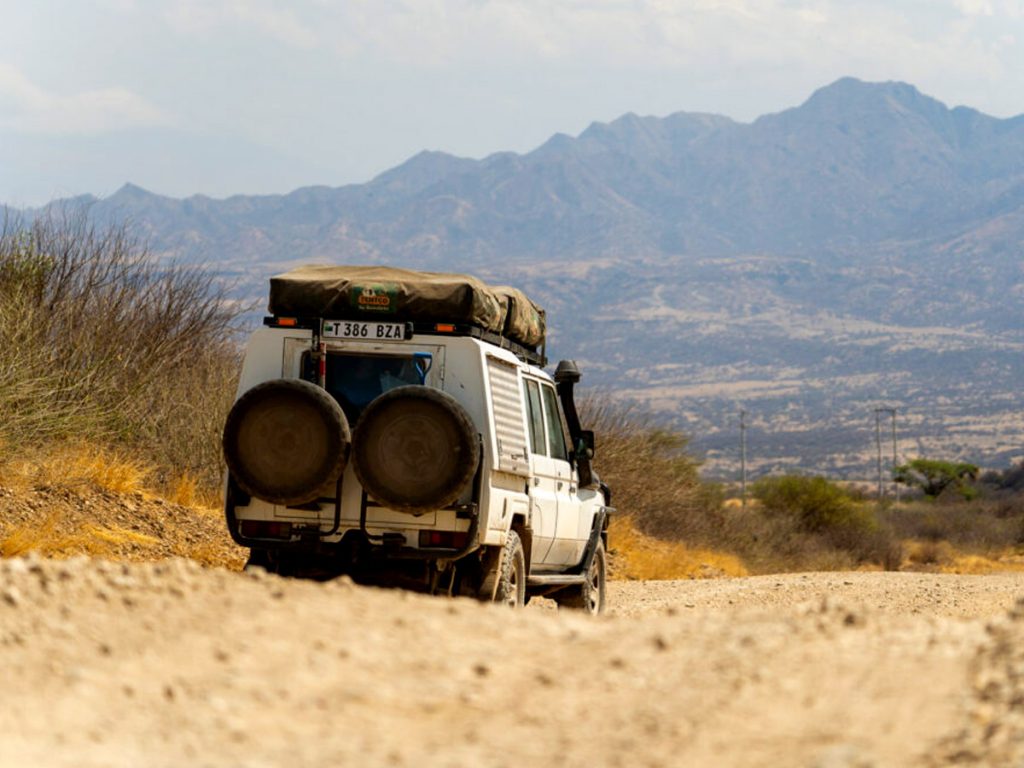
Discover essential Tanzania useful information, including self-drive safari tips, 4×4 car rental, driving distances, park fees, camping, safety, visa requirements and the best time to visit. Planning a self-drive safari in Tanzania gives you the freedom to discover the country’s incredible wildlife, explore national parks at your own pace and create a travel itinerary that suits your budget and preferences. However, understanding local driving conditions, road regulations, park requirements and cultural practices is essential for a smooth and enjoyable journey.

Whether you are renting a 4×4, camping in national parks or travelling between Tanzania’s famous wildlife destinations, this Tanzania useful information guide covers the key things to know before setting off.
Driving distances in Tanzania can be misleading, as journeys often take longer than expected due to roadworks, heavy trucks, traffic congestion and speed restrictions in villages. Some routes also involve rough roads and challenging terrain, particularly when travelling to remote safari destinations. Plan realistic daily driving distances and allow extra time for unexpected delays. It is advisable to reach your lodge or campsite before sunset to avoid the challenges of driving in unfamiliar areas after dark.
The dry seasons are generally popular for self-drive safaris in Tanzania because roads are often easier to navigate and wildlife can be more visible around water sources. Shoulder seasons can also offer rewarding safari experiences, although rainfall may result in muddy roads and difficult driving conditions in certain areas. If you are planning to explore national parks during wetter periods, ensure that your 4×4 rental has suitable tyres, adequate ground clearance and the capability to handle challenging terrain.
Although self-driving offers independence, hiring a professional driver-guide can be helpful, especially for first-time visitors to Tanzania. You may consider using a driver-guide for the first few days to become familiar with local traffic regulations, road conditions and wildlife-viewing practices. An experienced driver can also assist with challenging sections of your journey, including busy urban roads, remote routes and rough bush tracks. This option provides additional flexibility while helping you navigate unfamiliar driving environments.
Camping in Tanzania’s national parks offers an opportunity to experience nature more closely while enjoying an adventurous safari. Visitors should use designated public or special campsites and make advance reservations during busy travel periods. Carry reliable camping equipment, adequate lighting, sufficient drinking water and other essential supplies for your stay. Wildlife safety is particularly important when camping in protected areas, so always follow campsite regulations, park instructions and guidance from rangers. Never leave food or waste unattended in ways that could attract wildlife.
The cost of a Tanzania self-drive safari depends on your vehicle, travel itinerary, accommodation preferences and chosen activities. Your budget should account for 4×4 car rental, fuel, national park entrance fees, camping or lodge accommodation, insurance and other travel expenses. It is also advisable to set aside additional funds for unexpected costs, such as tyre repairs, vehicle maintenance or unplanned overnight stays. Carrying some Tanzanian shillings is useful when purchasing fuel in remote areas or making smaller payments where electronic transactions may not be available.
Tanzania is generally welcoming to international tourists, but visitors should remain alert to common travel risks, including petty theft and road accidents. Keep valuable belongings out of sight, lock your vehicle when unattended and avoid displaying expensive items in public places. Follow local safety advice, use reputable car rental agencies and choose established accommodation facilities. When travelling through national parks, observe wildlife safety instructions and avoid unnecessary risks, particularly when camping or driving in remote areas.
Certain roads, border regions and conservation areas in Tanzania may have restricted access or require special permits. Some routes may be unsuitable for self-drive vehicles, while others may only be accessible with authorization from relevant authorities. Before confirming your itinerary, consult your car rental company and the management of the national parks you intend to visit. Checking access regulations in advance can help you avoid unexpected route changes, delays or entry restrictions during your safari.
Each national park in Tanzania has its own entrance fees, operating hours, conservation regulations and vehicle access requirements. Some parks also have additional charges for camping, special activities and other visitor services. When driving through protected areas, remain on designated tracks, respect speed limits and follow all instructions from park authorities. Keep your park entry receipts and permits readily accessible, as you may be asked to present them at checkpoints or during inspections. Always confirm the latest fees and booking procedures with the relevant park authority before travelling.
Before travelling to Tanzania, check the latest immigration requirements applicable to your nationality. Depending on your citizenship, you may need a visa or other travel authorization to enter the country. Ensure that your passport meets the required validity period, which is often at least six months, and check whether proof of onward travel or additional supporting documents are necessary. If you plan to drive, carry your original driving licence, an International Driving Permit (IDP) where required, and the necessary vehicle rental and registration documents. Preparing these documents in advance helps make your arrival and self-drive experience easier.
Tanzania follows left-hand traffic, and road conditions vary considerably between major highways, rural roads and national park tracks. Drivers should be prepared for speed bumps, livestock crossings, pedestrians, heavy vehicles and unmarked road hazards, particularly in rural areas. A suitable 4×4 is recommended for many safari routes, especially those involving rough or uneven terrain. Avoid driving after dark whenever possible, maintain a safe distance from other vehicles and wildlife, and pay close attention to road signs and local traffic regulations. Careful driving and proper route planning are essential for a successful self-drive safari.
Responsible tourism helps preserve Tanzania’s wildlife, natural landscapes and cultural heritage. Respect local traditions and customs, dress modestly when visiting towns and villages, and always seek permission before photographing people. Reduce your environmental footprint by minimizing waste, avoiding single-use plastics and disposing of rubbish responsibly. When viewing wildlife, maintain a safe and respectful distance, avoid disturbing animals and follow the instructions of park rangers and guides. Supporting local businesses and communities also helps ensure that tourism contributes positively to the areas you visit.
Having the right travel information makes it easier to organize a safe, comfortable and memorable Tanzania safari. From understanding driving distances and choosing a reliable 4×4 rental to arranging camping equipment, budgeting for park fees and preparing the necessary travel documents, proper planning can make a significant difference to your experience.
Whether you are planning a Tanzania self-drive safari, a 4×4 rooftop tent camping adventure or a wildlife road trip with a professional driver-guide, being familiar with local conditions and travel requirements will help you explore Tanzania with greater confidence and enjoy its remarkable wildlife, landscapes and cultural experiences.