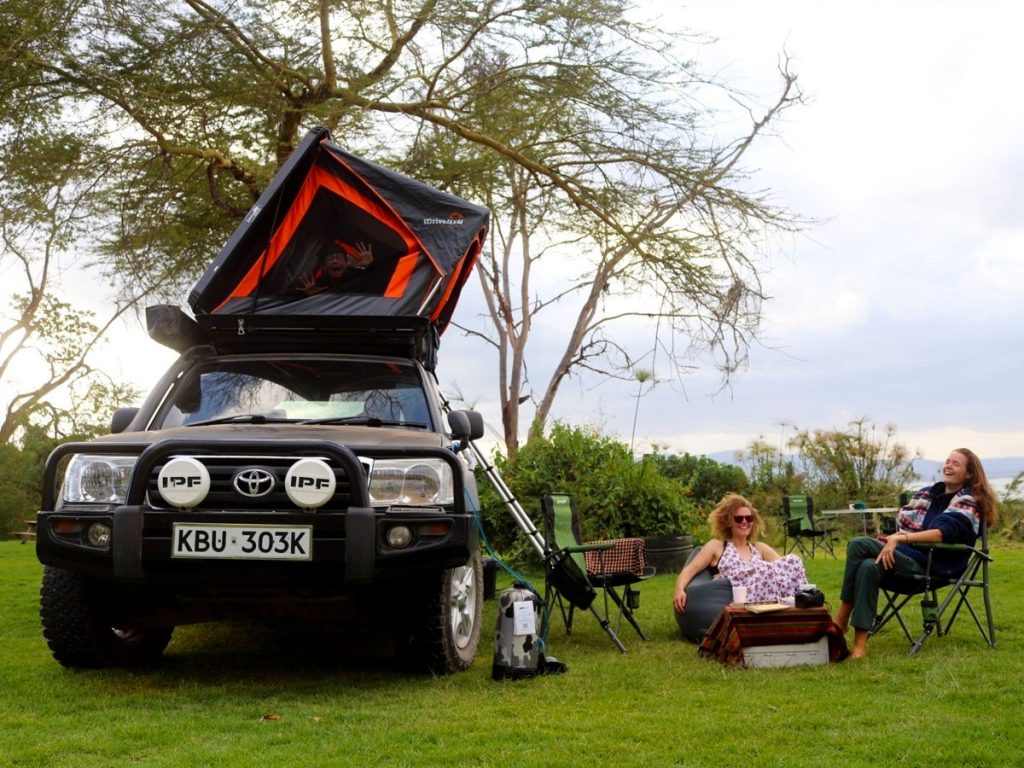
Explore useful Kenya travel information covering the best time to visit, 4×4 car rental, self-drive costs, camping, park fees, driving distances, safety, entry requirements and responsible travel. Planning a safari or self-drive adventure in Kenya requires some preparation. Understanding the country’s driving conditions, national park fees, camping options, entry requirements, travel seasons and safety guidelines can help you plan your journey with confidence.

Whether you are hiring a 4×4 with a rooftop tent, travelling with a driver-guide or organizing a self-drive Kenya safari, the following Kenya useful information provides important details to consider before your trip.
The main dry seasons, generally July to October and January to February, are popular periods for visiting Kenya. These months can provide excellent wildlife viewing conditions, while the Great Migration reaches the Masai Mara during part of the July–October period, when river crossings may occur. Roads are generally more accessible during dry weather, but popular lodges and safari vehicles can become heavily booked. For better availability, consider arranging your safari and accommodation approximately 4–6 months in advance.
Hiring a professional driver-guide can make a Kenya safari easier, especially for first-time visitors. Driver-guide services may cost around $30 per day, depending on the rental company and service arrangement. A local driver can handle navigation, help identify wildlife and provide useful information about destinations and road conditions. This option offers flexibility without requiring travellers to manage the challenges of self-driving and route planning themselves.
Camping is an excellent way to experience Kenya’s wildlife areas while keeping accommodation costs manageable. Depending on the location and campsite category, public campsites may cost around $30–50 per night, private campsites around $15–40, and special campsites approximately $100–150. Many safari 4x4s can be equipped with rooftop tents, allowing travellers to combine transportation and accommodation during their adventure. Camping provides an immersive bush experience across Kenya’s safari destinations.
A reasonable starting budget for a Kenya self-drive safari can be around $150–250 per person per day, depending on the number of travellers, itinerary and accommodation style. Typical expenses may include a 4×4 rental of around $170 per day, camping costs of about $20, insurance around $10, park fees and fuel. Travelling as a group can reduce the individual cost considerably because several people can share the rental vehicle and associated expenses.
Kenya covers a large area, so travel times should be carefully considered when planning a self-drive itinerary. From Nairobi to the Masai Mara, the journey can take approximately 5–6 hours. Travelling from Nairobi to Amboseli National Park may take around 4 hours, while Tsavo can be reached in approximately 4–5 hours, depending on the route and road conditions. Allow additional time for traffic, rest stops, road conditions and national park gate closing times when planning your daily schedule.
National park and conservation area charges vary depending on the destination. Typical entrance fees can range from approximately $26–80 per day, with the stated rates including around $80 for Masai Mara, $60 for Amboseli and $52 for Tsavo. Additional vehicle charges may range from approximately $50–200, depending on the park and vehicle category. Children may qualify for reduced rates under applicable regulations. Check the latest charges and arrange applicable permits or payments through the Kenya Wildlife Service (KWS) or the relevant park authority before your safari.
Kenya is a popular destination for self-drive travellers, but visitors should take sensible precautions. Avoid driving at night, particularly on unfamiliar roads, and keep valuables securely stored. When camping, use established or ranger-guarded campsites where appropriate and follow instructions from park authorities and local guides. Travellers should also stay informed about local conditions and follow current travel advice. 4×4 Rooftop Tent Cars LTD provides 24/7 emergency support for customers travelling on safari.
Kenya drives on the left-hand side of the road. A capable 4×4 vehicle is strongly recommended for many national park routes, where roads can range from paved highways to rough murram and dirt tracks. International visitors should carry their home driving licence and the required International Driving Permit (IDP) when driving in Kenya. Speed limits can range from approximately 50–110 km/h, depending on the road and location, and enforcement varies. Police checkpoints are common, so drivers should keep all required personal and vehicle documentation available.
Travellers should confirm the latest Kenyan entry requirements before departure. An electronic travel authorization or applicable online entry approval may be required, with costs depending on the traveller’s nationality and current regulations. Your passport should generally have at least six months of validity remaining. An IDP may be required for international visitors who intend to drive, alongside their valid home driving licence. A yellow fever vaccination certificate may also be required for travellers arriving from countries with a risk of yellow fever transmission. Allow approximately 2–3 weeks for travel preparations and ensure that all rental vehicle documentation is in order before beginning your journey.
Responsible tourism plays an important role in protecting Kenya’s wildlife, communities and natural environments. Visitors should maintain appropriate distances from wildlife, follow park regulations and avoid disturbing animals. Supporting local communities and businesses can help spread tourism benefits, while reducing plastic waste and avoiding unnecessary environmental damage helps protect fragile ecosystems. Where possible, choose responsible or eco-certified tourism operators and follow sustainable travel practices throughout your safari.
Some parts of northern Kenya, particularly areas close to the Somalia and South Sudan borders, may have additional travel restrictions, permits or security requirements. Certain locations may require organized access or armed security escorts. Within national parks and other protected wildlife areas, off-road driving is generally prohibited unless specifically authorized. Before planning a route through remote or restricted areas, research current access requirements and follow guidance from local authorities and park management.
Understanding the practical aspects of travelling in Kenya can make your safari easier to organize and more enjoyable. From choosing the right 4×4 rental and rooftop tent to calculating self-drive costs, checking national park fees, understanding driving distances and preparing the correct travel documents, advance planning helps avoid unnecessary problems.
Whether you are arranging a Kenya self-drive safari, rooftop tent camping trip, guided safari or 4×4 adventure, this Kenya useful information can help you prepare for the roads, parks and travel conditions you are likely to encounter while exploring the country.