Rwanda Useful Information

Get useful Rwanda travel information on driving, 4×4 rentals, road distances, national parks, gorilla permits, camping, entry requirements, safety and travel costs. Planning a trip to Rwanda is easier when you understand the country’s roads, entry requirements, wildlife regulations, accommodation options and general travel costs.

rwanda-useful-information-self-driving-rwanda-cost-camping-and-travel-tips

Rwanda Useful Information

Whether you are preparing for a self-drive adventure, renting a 4×4 with a rooftop tent, travelling with a driver-guide or visiting Rwanda’s famous mountain gorillas, these Rwanda useful travel tips can help you prepare for your journey.

1. Driving in Rwanda

Rwanda drives on the right-hand side of the road. A suitable 4×4 vehicle is recommended when travelling beyond the main paved roads, particularly for safari trips and rural destinations. International travellers should carry their valid home driving licence and the appropriate international driving documentation where required. Speed limits vary according to the road and location, so drivers should always follow posted signs and local traffic regulations. Police checks can occur, making it important to have your driving and rental documents readily available.

2. Driving Times and Distances in Rwanda

Rwanda is relatively compact, but journeys can take longer than expected because of mountainous terrain, winding roads and varying road conditions. From Kigali to Akagera National Park, the journey can take approximately 2–3 hours, while travelling from Kigali to Nyungwe National Park can take around 5–6 hours. Reaching the Volcanoes National Park area in Musanze can take approximately 2–3 hours from Kigali. When planning a Rwanda self-drive itinerary, allow extra time for stops, traffic, weather and road conditions.

3. Restricted and Protected Areas

Rwanda has several protected wildlife areas where special regulations apply. Akagera National Park, Nyungwe National Park and Volcanoes National Park have rules governing vehicle movement, wildlife encounters and visitor activities. Off-road driving is restricted in protected areas and visitors should remain on designated routes unless specifically authorized otherwise. Some border regions may also have additional security or access requirements. Always check the latest regulations before travelling to restricted or protected areas.

4. Car Rental with Driver in Rwanda

Travellers who prefer to leave the driving to someone else can hire a professional driver-guide. This can make travelling between Rwanda’s attractions easier, particularly for first-time visitors who are unfamiliar with local roads and routes. A driver-guide can assist with navigation, itinerary planning and local travel information while allowing you to concentrate on enjoying the scenery and wildlife. Driver-guided 4×4 travel is particularly useful for multi-destination Rwanda trips.

5. Rwanda National Park Fees and Permits

Rwanda’s major attractions have different entrance fees and activity permits. Gorilla trekking in Volcanoes National Park requires a permit, while other activities such as chimpanzee trekking and canopy experiences in Nyungwe have their own charges. Akagera National Park also has separate park entry and activity fees. Because prices and regulations can change, travellers should confirm the latest official fees before booking. Gorilla permits are limited, so arranging them well in advance is strongly recommended, especially during busy travel periods.

6. Camping in Rwanda

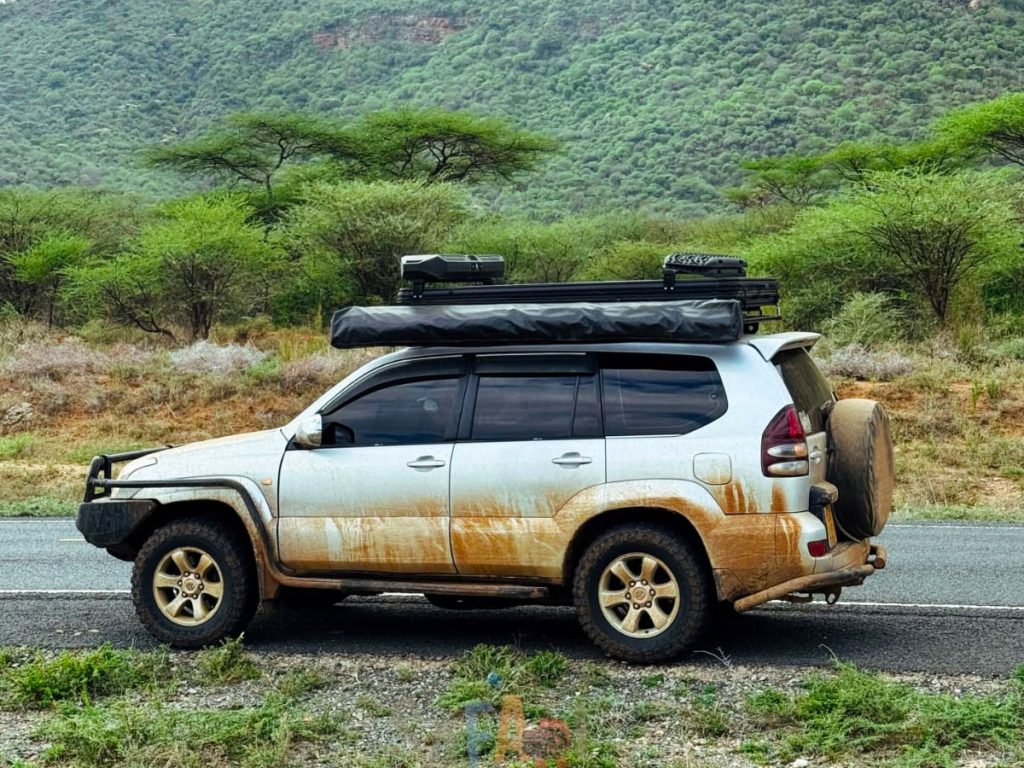
Camping provides an adventurous way to experience Rwanda’s landscapes while keeping accommodation costs manageable. Campsites are available in and around some tourist destinations, including areas associated with national parks. Travellers can choose from basic campsites, private camping facilities and organized camping experiences depending on their itinerary. 4×4 vehicles with rooftop tents and camping equipment can also provide greater flexibility for travellers planning an independent road trip. Always use designated campsites and follow local wildlife and environmental regulations.

7. Best Time to Visit Rwanda

Rwanda can be explored throughout the year, although the drier periods are generally popular for wildlife viewing, hiking and gorilla trekking. The main dry seasons typically occur around June to September and December to February. During drier periods, some roads and hiking routes can be easier to navigate, while wildlife activities may be more comfortable. However, Rwanda’s landscapes remain green during the wetter months, and travellers should consider their preferred activities when selecting travel dates. Gorilla trekking permits should be arranged early because availability can be limited.

8. Rwanda Entry Requirements

International visitors should check the current entry requirements for Rwanda before departure because visa rules can vary according to nationality. Travellers may need a valid passport, visa or applicable entry authorization, and other supporting documents. Visitors travelling from countries where yellow fever vaccination requirements apply should also carry the relevant vaccination certificate. Your passport should have sufficient validity for the duration of your trip and meet Rwanda’s entry requirements. Checking official immigration information before travelling helps prevent problems at the border.

9. Cost of Travelling in Rwanda

The cost of travelling around Rwanda depends on your accommodation, vehicle, activities and itinerary. 4×4 rental costs can vary according to the vehicle type, rental period and whether camping equipment is included. Camping can provide a more economical accommodation option, while hotels and lodges range from budget properties to luxury safari accommodation. National park activities, gorilla trekking, chimpanzee tracking, vehicle hire and driver services can represent significant parts of the overall budget. Planning your activities and permits in advance makes it easier to estimate the total cost of your Rwanda trip.

10. Responsible Travel in Rwanda

Responsible tourism is important for protecting Rwanda’s wildlife, forests, communities and tourism destinations. Visitors should follow park regulations, avoid disturbing wildlife and maintain the distances required by guides and park authorities. Support local businesses and communities where possible, minimize plastic and other waste, and avoid damaging vegetation or natural habitats. When visiting gorillas and other wildlife, follow your guide’s instructions carefully. Responsible travel helps preserve Rwanda’s natural and cultural attractions for future generations.

11. Is Rwanda Safe for Tourists?

Rwanda is a popular destination for international travellers, but visitors should still take normal precautions throughout their trip. Avoid unnecessary night driving, particularly on unfamiliar rural roads, and keep personal belongings secure. When visiting national parks or undertaking activities such as gorilla trekking, always follow instructions from guides and park authorities. Travellers crossing between Rwanda and neighbouring countries should also check current border requirements and travel advice before departure.

Plan Your Rwanda Adventure with Confidence

Good preparation makes travelling around Rwanda easier and more enjoyable. Understanding Rwanda driving conditions, 4×4 rental options, road distances, national park regulations, gorilla permits, camping, entry requirements and travel costs allows you to build a realistic itinerary before you arrive.

Whether you are planning a Rwanda self-drive safari, a rooftop tent camping adventure, a 4×4 road trip or a guided wildlife holiday, having the right information helps you travel with greater confidence while making the most of Rwanda’s remarkable landscapes, wildlife and cultural experiences.

Book Your Car Rental Today with 4x4 Rooftop Tent Cars